
Last updated: 2024-06-19
❓ What is this technical debt, and why is it considered technical debt?
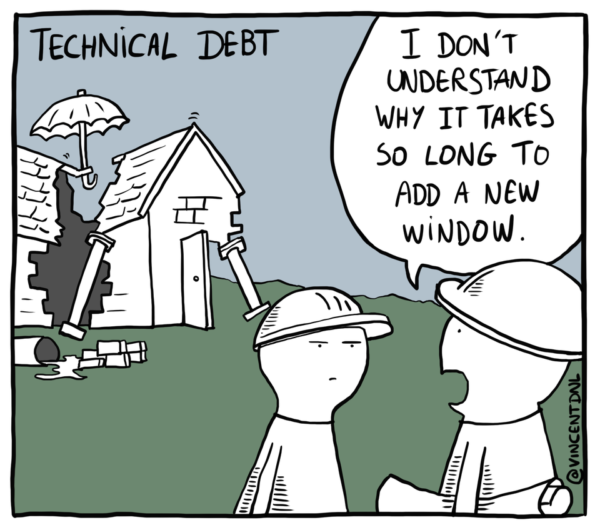
Technical debt arises when an organization continues to use outdated or unsupported software. This software, no longer receiving updates or support from software product companies, becomes a liability. The primary issue with such software is security, without regular updates, systems become vulnerable to new cyber threats. Additionally, outdated software often struggles with compatibility, failing to integrate smoothly with newer technologies or systems. This results in increased maintenance efforts and costs, as IT teams are forced to create workarounds or spend more time resolving issues, detracting from innovation and efficiency. The cost of this technical debt is multifaceted. Firstly, there’s the direct financial cost of maintaining old systems, often requiring specialized skills and resources. Secondly, there’s the opportunity cost, as teams engaged in managing outdated systems are unable to focus on more strategic, value-adding activities. Finally, there’s the risk of system failure or data breaches, which can have serious financial and reputational repercussions.
👀 Why hasn’t anyone done anything about it?
The most common reason organizations continue using outdated or out-of-support software often involves the risks of impacting critical business processes. Upgrading or replacing legacy systems can be costly and resource-intensive, not just in terms of new software expenses but also in migrating data, training staff, and potentially modifying business processes to accommodate the new system. In some cases, organizations may rely on custom-built applications or integrations specific to their operations that aren’t easily replicated with newer software. The fear of disrupting these customized functionalities can deter them from upgrading. Another factor is the “if it’s not broken, don’t fix it” mindset. Some organizations may find their current systems sufficient, despite being outdated, and prefer to avoid the risks and uncertainties associated with implementing new technology. In certain situations, there may also be a lack of leadership support for technology upgrades, further delaying the transition to newer solutions.
Technical debt can be categorized into many areas:
Category 1: Technical Debt Due to Monolithic Applications
Large monolithic applications are not only challenging to scale but also difficult to comprehend and modify. Often, changes in one part of the application can inadvertently break another, adding complexity and unpredictability to the development process.
1️⃣ Technical Debt in Monolithic Applications
Monolithic applications often suffer from significant technical debt due to their rigid, intertwined structures. This complexity hinders updates and new feature integrations, leading to escalated maintenance efforts and costs. The applications struggle with scalability, as scaling the entire system for minor changes is inefficient, resulting in either resource overuse or performance issues during peak loads.
2️⃣ Cloud Advantages for Microservices Migration
Cloud technology is pivotal in transitioning from monolithic to microservices architectures. It offers scalable, independent deployment of microservices, reducing resource wastage and enhancing performance. The cloud supports DevOps practices like continuous integration and delivery, which are essential for the iterative development of microservices. Moreover, cloud services like container orchestration and serverless computing simplify the operational aspects, allowing teams to focus on development rather than infrastructure management.
3️⃣ Migration Strategy to Microservices in the Cloud
Migrating to microservices in the cloud requires a strategic approach, often starting with the ‘strangler pattern’. This involves gradually building and shifting specific functionalities from the monolith to microservices. Embracing DevOps and agile methodologies is crucial to support this transition. Utilizing cloud-native services for tasks like database management and messaging streamlines the architecture, making it more manageable. Planning for an incremental migration is essential, allowing for a controlled transition with minimal operational disruption.

Category 2: Technical Debt due to Outdated / Out-of-Support Systems
This one I think many of us can relate to. We see the mainframe still being used in Fortune 500 companies. I still see older versions of Active Directory, Windows Server, Linux, SQL Server, Oracle, MySQL, MariaDB, PostgreSQL, MongoDB, DB2 and many other 3rd party software products. In some cases, I see organizations are still using products developed by software companies which do not exist anymore. Even some organizations are still using older architecture of AWS / Azure, for example, first/second generation of instance types.
A notable example of the risks associated with outdated software was the system failure at Southwest Airlines in April 2023. This incident, caused by outdated software, had a profound impact on its customers, highlighting the crucial need for regular software updates and maintenance to avoid such disruptive events.
🛠️ How can the cloud help?
While most of the complexity lies in testing and proving that a new version or product is a viable option, adopting the cloud can still be beneficial. The cloud can assist in quickly creating test environments and utilizing new tools. Furthermore, cloud platforms offer scalability and flexibility, allowing businesses to adjust resources based on demand.
Category 3: Technical Debt impacting analytics, data management & AI
In the current era of data-driven decision-making, effective data management and analytics are pivotal for any organization’s success. However, many face the challenge of technical debt such as:
-
Data Governance Lapses: Inadequate data governance is a primary source of technical debt in analytics. Without coherent policies and practices, organizations face data quality issues, which compromise the integrity and reliability of data insights.
-
The ‘Garbage In, Garbage Out’ Conundrum: Data quality is essential for reliable analytics. Compromised data quality leads to misleading insights, a phenomenon often described as ‘garbage in, garbage out.’ This undermines the very purpose of data analytics – to enable informed decision-making.
-
Excel Dependency is a Bottleneck for Scalability: Reliance on traditional tools like Excel for complex data analysis is another form of technical debt. Excel’s limited capabilities in handling large datasets and complex analyses result in inefficiencies and potential data inaccuracies.
-
Fragmented Analytics Strategy and Multiple Platforms: A disjointed analytics strategy with multiple platforms creates inefficiencies, inconsistencies, and unnecessary complexities. This fragmentation leads to duplicated efforts and challenges in deriving unified insights.
So how transitioning from Legacy Systems to Cloud-Native Solutions will help?
Legacy systems like Oracle, Teradata, Greenplum, and Hadoop, once the backbone of enterprise data solutions, now contribute significantly to technical debt. These systems often lack the flexibility, scalability, and cost-effectiveness of modern cloud-native services. Transitioning to cloud-native alternatives offers a host of benefits:
• Scalability and Performance: Cloud-native services like Amazon Redshift, and Azure Fabric / Azure Synapse Analytics offer superior scalability and performance compared to traditional systems.
• Cost-Effectiveness: With pay-as-you-go pricing models, organizations can optimize costs by paying only for the resources they use.
• Agility and Innovation: Cloud services are continuously updated, and even new services are added, providing access to the latest features and technologies.
• Simplified Management: Managed services in the cloud reduce the burden of install, maintenance and upgrades, allowing teams to focus on insights rather than infrastructure.
Adopting cloud computing addresses many facets of technical debt in data management and analytics:
• Advanced Analytics Tools: Cloud-based analytics tools provide the capability to handle large, complex datasets efficiently.
• Unified Strategy: Cloud platforms facilitate the integration of various data sources and tools, ensuring consistent methodologies and streamlined analytics.
• Consolidation of Platforms: With cloud services, organizations can consolidate their analytics platforms, reducing complexity and increasing efficiency.
By pivoting to a cloud-first strategy, businesses can enhance their data management and analytics capabilities, ensuring that they remain agile, innovative, and competitive in a data-centric world.
Conclusion:
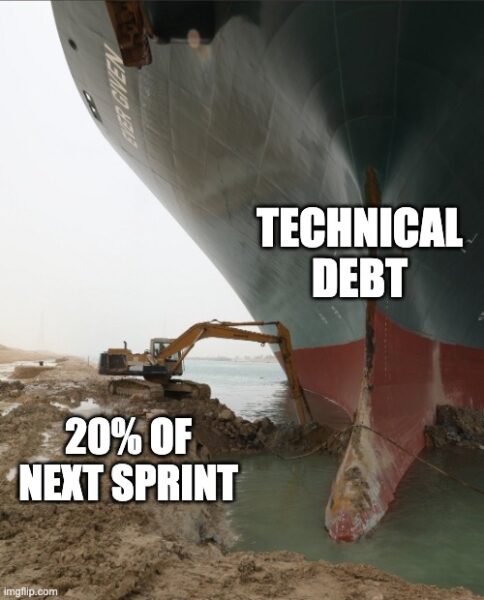
Technical debt can slow down your progress, impact reliability and increases security risks. You want to identify technical debt, fund projects to overcome technical debt, set deadlines and get rid of technical debt. Adopting cloud not only addresses the immediate challenges of technical debt but also positions organizations for future technological advancements and efficiency gains.
Written By Michael Agarwal